

Beyond the Glow: 7 Surprising Truths About Beauty, Behavior, and the 2026 Aesthetic
In the shifting landscape of global aesthetics, we are witnessing a profound pivot. Beauty is shedding its skin as a purely superficial pursuit and re-emerging as a complex dialogue between technology, historical reclamation, and the vital discernment of our own biological rhythms. As we look toward the 2026 horizon, the “glow” is no longer just a finish it is a survival strategy.
Here are the seven essential truths defining the cultural and behavioral architecture of the coming year.
- The “Ideal Face” Paradox: Why Your Feed Looks Like an Algorithm
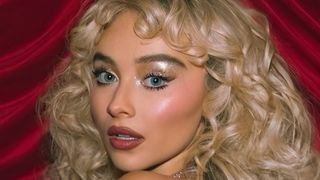
There is a chilling precision in the way Artificial Intelligence curates “beauty.” When prompted to generate the ideal, algorithms unfailingly produce a specific, narrow geometry: slender upturned noses, voluptuous lips, pronounced cheekbones, and the sharp, feline tilt of cat-eye shapes. This generative perfection has moved beyond the screen, manifesting as a mirror image in the faces celebrated by major fashion authorities like Vogue.
The cultural critique here is biting: while “body positivity” has made strides, “face positivity” remains a neglected frontier. Even in curated columns highlighting “natural” beauty, the industry is shadowed by a silent reality it is speculated that at least 50% of the individuals featured have undergone subtle cosmetic work. This normalization of facial alteration, often framed as “refreshing” or “preventative,” creates an algorithmic cage for the modern woman. According to Medical News Today, the pressure to conform to these unrealistic, machine-perfected standards is intrinsically linked to lower self-esteem and a persistent sense of body dissatisfaction.
“We are at a crossroads where creators and influencers must assume a deeper responsibility. To represent a wider variety of beauty real, textured, and un-altered is not just an aesthetic choice; it is a mental health imperative.”
- The “Rudolph” Revolution: The Rise of Button-Nose Blush
The sartorial hive mind is currently pivoting away from the sun-drenched “boyfriend” or “sunburn” blush trends of previous seasons. For the Autumn/Winter 2026 cycle, Vogue Scandinavia identifies a shift toward a more vulnerable, frost-bitten romanticism.
Known as “button-nose blush,” the technique involves centralizing a pale pink pigment on the very tip of the nose. By emulating the natural flush one acquires when stepping into a sub-zero morning, this aesthetic rejects the warmth of the summer for a crisp, winter-ready vulnerability. It is a look that feels both doll-like and deeply human, capturing a moment of seasonal transition without the accompanying irritations of the cold.
- Aesthetic Whiplash: The Great Hair Divide of 2026
The 2026 runways have delivered a definitive case of aesthetic whiplash, splitting the hair landscape into two warring factions. In one corner, we find the “slicked-back polish” of the French twist, channeling the effortless, minimalist elegance of Carolyn Bessette-Kennedy. It is a look of control, precision, and high-gloss refinement.
In the opposite corner, we are seeing a resurgence of “overzealous romanticism” and the “tousled mess” of the 2016 Tumblr era. This aesthetic draws heavily from the moody, windswept textures of Catherine Earnshaw on the moors of Wuthering Heights, punctuated by the iconic, undone grit of Amy Winehouse. This tension between curated perfection and intentional disarray forces us to choose daily between being the architect of our appearance or its most romantic casualty.
- The Secret Language of Beauty Marks: From Syphilis Scars to “Charm Moles”
The beauty mark is undergoing a radical transformation, moving from a tool of “concealment” to a symbol of “manifestation.” In the Roman Empire, these marks were believed to emulate the Goddess Venus, but by 17th-century Europe, they served a grittier purpose. Artificial mouches (French for “flies”) made of silk or velvet were strategically applied to hide smallpox scars or the sores of syphilis.
Today, we are witnessing a sophisticated reclamation. In Seoul, the rise of 미인점 (mi-in-jeom), or “charm moles,” sees individuals intentionally tattooing or drawing marks to alter their facial storytelling. This is a deliberate attempt to reclaim individuality from the algorithmic “ideal face.” We are no longer hiding flaws; we are tattooing charms to attract specific energies.
The Trending 2026 Semiotics of Placement:
- Under the left eye: Signals “emotional depth” or the curated “sad girl” aesthetic.
- Right cheekbone: Represents a declaration of confidence and independence.
- Next to the nose: Suggests a youthful, doll-like charm.
- Beside the lips: The classic “Marilyn” signature, intended to attract popularity and charm.
- Luteal Realism: Decoding the Mind’s Tricks
For the modern woman navigating a high-performance environment, the most vital discernment is not between products, but between hormonal “facts” and biological fiction. During the luteal phase particularly for those navigating the disabling landscape of PMDD there is a documented “loss of grit.”
This period often feels like being in the trenches, “fighting for my life” against a surge of pessimism. The mind plays tricks, reframing temporary hormonal shifts as objective failures or a return of clinical depression. In this space, the mantra “The only way out is through” is not just a quote; it is a vital survival strategy.
“At least 90% of women report unpleasant psychological symptoms premenstrually. For a certain group, these symptoms can be disabling, causing significant disruption in their lives. Distinguishing between these temporary feelings and objective reality is the ultimate act of mental hygiene.” – MGH Center for Women’s Mental Health
- The “Nudge” Strategy: Engineering Inspiration
Building new habits often fails because we idolize our goals, placing them on a pedestal that creates friction. The neuropsychology of habit-building suggests that “thinking smaller” is the more effective path. By “nudging” ourselves, we engineer our environment to reduce the resistance between intent and action.
Consider the “Nudge” as an architectural adjustment to your day:
- Reducing Friction: If you intend to write, carry your computer to the kitchen “just in case.” The mere presence of the tool removes the barrier of having to retrieve it from another room.
- Environmental Cues: Place your journal on top of your bedside table rather than inside a drawer.
- The Micro-Commitment: Tell yourself you will only read or write “one sentence.” Once the friction of starting is removed, the momentum of the task usually takes over.
- The Ultra-Marathon Mindset: Grit as the Great Equalizer
The journey of Mia Thomsen, known to the running world as “MarathonMia,” provides a definitive case study in human potential. At age 24, Thomsen struggled to run a mere 1.55 miles. Today, she is one of Sweden’s leading ultra-marathoners.
Her transformation challenges the “taken-for-granted” belief that extraordinary roles are reserved for those with innate, crystalline talent. Thomsen’s story reminds us that “extraordinary people” are often just ordinary individuals who refused to stop. The architecture of your potential is not fixed at birth; it is built through the relentless application of grit.
The ultimate architecture of potential is not found in talent, but in the relentless application of grit.
Conclusion: Breaking the Status Quo
Our perception of what is “natural” or “fixed” is often dictated by Doxa the Greek concept of taken-for-granted beliefs. We assume the status quo of beauty standards, or our own perceived limitations, are the invisible architecture of our reality.
However, as we have seen from the historical evolution of the beauty mark to the behavioral power of the “nudge,” the frame of reference is always subject to change. Whether you are acknowledging the biological reality of your luteal phase or rejecting the algorithmic “ideal face” in favor of your own storytelling, your agency is your most powerful tool.
How might you nudge yourself today to change your own frame of reference?


Leave a Reply